Simple, Effective, Wonderful - Traditional Applications of Medicinal Clay
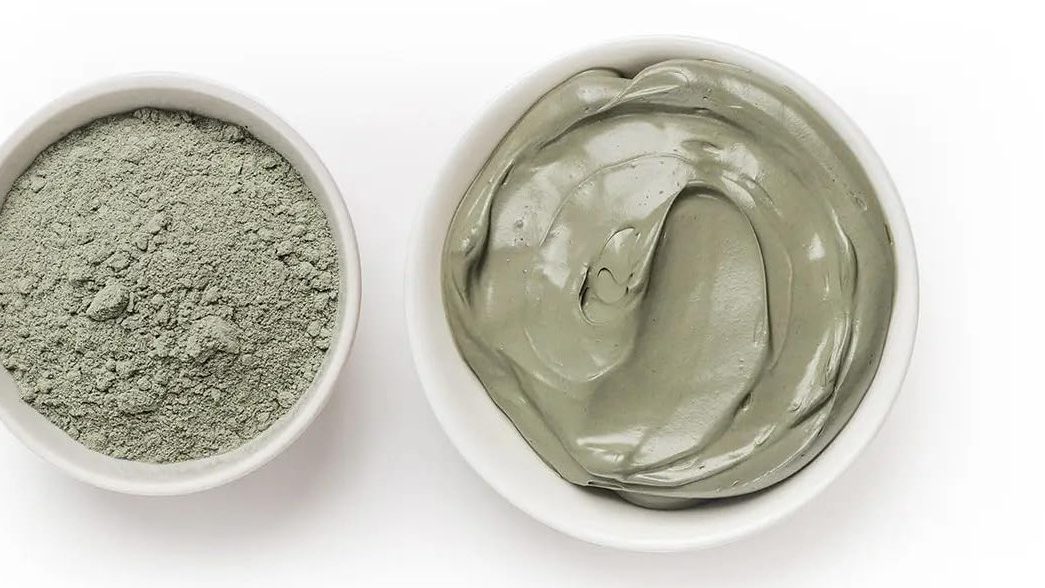
Medicinal clay offers a variety of therapeutic and cosmetic uses that can enhance your wellness routine. Certain types of clay can be used externally and internally.
Types of Medicinal Clay
French Green Clay is a 100% natural form of illite clay. It is a combination of volcanic matter, decomposed plant substances and minerals. It is used in beauty and wellness applications for its purifying properties and its high mineral content. This type of clay is primarily recommended for oily skin or a normal/oily skin combination.
Moroccan red clay, Rhassoul has a long tradition in Hammam baths. This natural-brown clay from Morocco's Atlas Mountains contains iron and is used to heal acne. Beyond that it Rhassoul clay is rich in silica, magnesium, potassium, and calcium, and cherished for its nourishing effect on the skin and scalp. It improves skin clarity and texture by acting as a gentle cleanser and exfoliant, and is gentle enough to be suitable for sensitive, dry, or mature skin.
Bentonite clay is found in the Western United States, and Luvos loess is a traditional, therapeutically used clay made from glacial loess in Germany. Both, bentonite and Luvos are rich in minerals and trace elements like silica, calcium, magnesium, copper, and zinc. While the beneficial detox properties are linked to the impressive binding capacity of clay, it also supplies up to 75 important trace minerals to the body (depending on the type of clay). Bentonite clay is safe to be used on all skin types.
Fuller’s earth is a very fine grayish colored powder derived from algae, chock full of minerals and very absorbing.
Natural Medicine Uses of Medicinal Clay
Ingesting clay can do wonders for your health! Medicinal clay provides an affordable and natural yet effective remedy against diarrhea, heartburn, and acid-related stomach pain due to its ability to bind excess bile acids, fats, and cholesterol. Bentonite, montmorillonite, and illite have been proven to be antifungal including toxic and carcinogenic infections such as Aflatoxicosis, and effective against yeast infections including Candida albicans. Eating or drinking healing earth can be used to cleanse the body from heavy metals including lead, cadmium, aluminum, and mercury. Another impressive benefit is the antibacterial effect of bentonite and green clays. In several scientific studies, the clays have been found to be highly effective against E. coli, pseudomonas, salmonella, and even the dreaded “superbug” MRSA and the flesh-eating African bacteria Buruli to name just a few.
One more amazing capability of clay that depends on its acting like a plus pole is the adsorption of radiation. A study performed by Duke University found that specific parts of the human DNA and RNA exposed to damaging gamma radiation recovered faster in persons that had eaten clay.
How does clay bind bacteria, candida, viruses and toxic metals?
Loess, bentonite, and green clay naturally form a negative charge when mixed with water. This negative charge creates a pulling effect called adsorption, drawing positively charged ions out of our cells – and it so happens that bacteria, heavy metals, and pesticides all have a positive ionic charge. Negatively charged ions stay untouched.
Because of its strong ability to bind other substances, it should be taken at least 2 hours before or after other medications!
How to Ingest Clay?
Simply stir 1 teaspoon of either bentonite or green clay into 8 oz. of water, and drink on an empty stomach in the morning. Use non-metal (wooden or plastic) utensils when mixing, as metal can reduce its effectiveness! Wait for 30 minutes before eating anything. Do this for 21 days in a row. Repeat 3 to 4 times per year. Or use as needed for acute ailments.
External Use
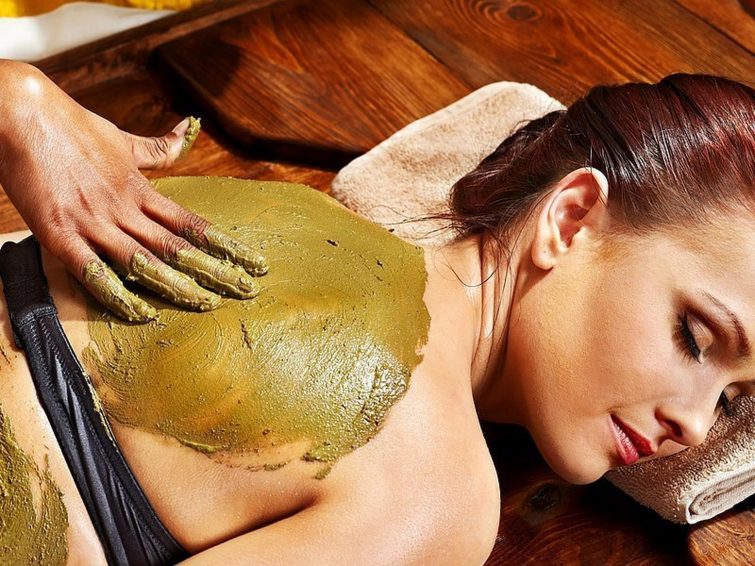
For skincare, clay is mixed with warm water, herbal tea, rose water, or apple cider vinegar to form a smooth paste to be applied to the whole body as in Hungarian mud wraps or prepared in poultices for application to specific parts of the body as in French Green Clay face masks. Added warmth opens the pores of the skin and helps the interaction of the clay with the body. Clay facial masks are praised for their exfoliating properties. The clay absorbs sebum and excess oil and draws blackheads and other impurities out from your skin which also helps reduce acne, blemishes, and inflammation. Some people use full body wraps of sulfur-rich mud to reduce muscle and joint pain.
Skin Care: Used as a face mask to absorb excess oil, minimize pores, and treat acne.
Detoxification: Known for drawing out impurities and toxins from the skin.
Dermatitis Relief: Helps treat poison ivy, poison oak, and diaper dermatitis.
Mechanism: When mixed with water, it develops a negative charge, allowing it to attract toxins.
How to Prepare a Clay Mask at Home
In a small bowl, mix 2 tablespoons of the clay with about 3 tablespoons of warm water orgreen, hibiscus, rooibos, or chamomile tea to create a smooth, creamy paste. Depending on your skin type use spring water or rose water for normal skin, or witch hazel and orange blossom water if your skin is oily. If you are suffering from acne, add 1 tablespoon apple cider to the mix. The consistency should be thick and cream-like, not runny. If you added too much of the liquid just stir in a little bit more clay.
Apply the mask to your cleaned face and neck with your fingers or a make-up sponge. Avoid the eye area. Leave on for 15 to 30 minutes. Once the mask is dry, rinse off with warm water and apply moisturizer. Enjoy your glowy looking skin.
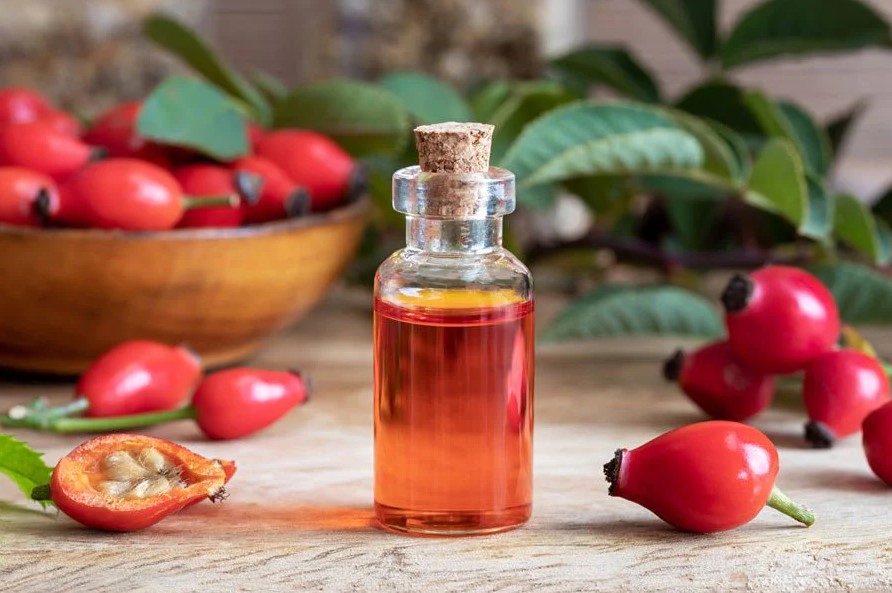
Keep in mind that while clay facial masks are the right choice for oily and acne-prone skin as well as skin that has been exposed to environmental pollutants, this same quality can be too much for dry skin. When using a clay mask on dry skin, follow up with a moisturizer and thin layer of face oil (rosehip, sesame, jojoba, argan oils, and shea butter are nourishing options).
References
Moosavi M. Bentonite Clay as a Natural Remedy: A Brief Review. Iran J Public Health. 2017 Sep;46(9):1176-1183.
Elsafi M, Koraim Y, Almurayshid M, Almasoud FI, Sayyed MI, Saleh IH. Investigation of Photon Radiation Attenuation Capability of Different Clay Materials. Materials (Basel). 2021 Nov 7;14(21):6702. doi: 10.3390/ma14216702.
Williams LB, Haydel SE. Evaluation of the medicinal use of clay minerals as antibacterial agents. Int Geol Rev. 2010 Jul 1;52(7/8):745-770. doi: 10.1080/00206811003679737.